Stop Snapping at People You Love
The reaction was larger than the trigger. You knew it in the same breath.
The worst part is often not the moment — it is the face across the table, and the knowledge that you violated your own standard. Trying harder fails when the tank is already empty.

B.W. · Fourways — “Mornings after I’d snapped the night before were the worst. Reading at the table helped me see it wasn’t just “who I am.””
Snapping is often leftover stress — not who you are
Most people who still take responsibility hate this pattern — it conflicts with how they see themselves. Apologies help the relationship. They do not always clear the charge that made the reaction disproportionate.
By the time you are home, the day is still running in the nervous system. A small domestic friction meets a full tank — and the snap feels foreign and familiar at once.
What does not fix it
- More willpower speeches to yourself
- Only apologising without changing the residual load
- Another article that tells you to “be present” with no method
A more useful frame: leftover charge from the day is still firing. That is something you can examine — not a permanent verdict on your character.
The offline tool
Dianetics: The Modern Science of Mental Health is a physical softcover for sequential reading when screens only add more input. 20 million+ copies. 50+ languages. Still in print after 75 years.
Book sale only. Not couples therapy. Not a clinical programme. A private reference some people use when they are done with the apology cycle alone.
Who this is for
- Professionals who hate how they sound at home after a hard day
- People who still take responsibility — and want more capacity
- Anyone willing to read offline instead of scrolling the guilt
If Dianetics is a closed door for you, exit. Otherwise the order is below.
What you actually want after the snap
Not a perfect temperament. Not a lecture from someone who does not know your week. You want the reaction to match the moment — and you want to stop apologising for a version of yourself you do not respect.
That is the shift: less leftover charge pouring onto the people you care about. A physical book on the table is a different move from another article you will not finish.
Order the softcover — R350 Instant EFT
Pay once. A book on the table for the evenings the fuse is already short.
L.M. · Durban — “Ordered after a night I regretted. Still open it when the heat builds.”
Book sale only — not medical, clinical, therapeutic or religious counselling. Instant EFT is processed by your bank. You only pay when you want the softcover sent.
Before you pay
What is the R350 price and the free session?
Campaign price is R350 Instant EFT for one softcover, courier included (R50 off the usual R350). After payment is matched, you may book one complimentary introductory Dianetics session at Hubbard Dianetics Foundation, Johannesburg North (Ferndale). It is not medical, clinical or therapeutic treatment. The session is only offered on paid orders.
Is this medical or religious counselling?
No. Book sale only. Not medical, clinical, therapeutic or religious advice. If you need emergency help, contact local emergency services.
How does Instant EFT work?
Generate a unique reference (SM-…). Pay R350 once from your banking app using that exact reference. We match the payment and aim to dispatch within 24 hours to major metros.
What exactly arrives?
One softcover of Dianetics: The Modern Science of Mental Health by L. Ron Hubbard, packed for South African courier delivery.
Why a physical book?
Because the problem is often more input on a screen. Offline sequential reading is the point.
Complete your order
Campaign offer
R400 R350 · shipping on us
Pay R350 Instant EFT for the softcover. Courier is included. After we match your payment you also get a complimentary introductory Dianetics session (auditing) at Hubbard Dianetics Foundation, Ferndale. Not medical or therapy. No session if the book is unpaid. Full street address required.
R350 · one softcover of Dianetics: The Modern Science of Mental Health · Instant EFT · unique SM- reference · courier after match.
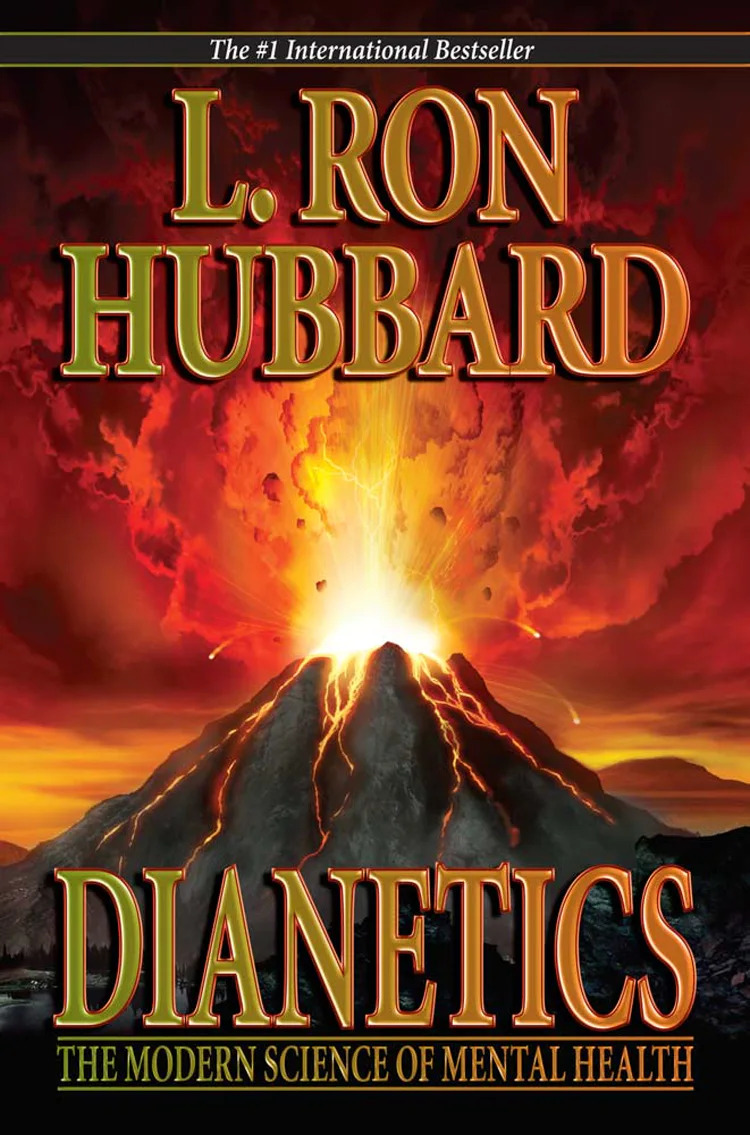
Dianetics: The Modern Science of Mental Health by L. Ron Hubbard (softcover). First published in 1950. More than 20 million copies. Translated into 50+ languages. Still in print — and still selling — more than 75 years later. A book does not stay in circulation that long by accident.
Safe EFT flow
Name and delivery address first. Then Instant EFT details + SM- reference. Pay once from your bank app. Book only.